What does it actually look like to work with Amy Houston Team, from your first call to closing day? It starts with a conversation about your goals and timeline, moves through a clear plan for pricing or searching, and ends with a walk-through of the closing paperwork so nothing catches you off guard.
If you've never worked with a REALTOR before, or it's been fifteen years since you last bought or sold a home, the whole thing can feel like a black box. You know you'll eventually sign a lot of paperwork and hand over (or receive) a set of keys, but what happens between now and then?
That gap between "I think I want to move" and "I actually know what to do next" is where most people stall out. So here's a plain walkthrough of what happens when you reach out to Amy Houston Team, whether you're buying, selling, or trying to figure out which one comes first.
The first call
The first conversation is short and low-pressure. It's a chance to talk through what's prompting the move: a job change, a growing or shrinking household, wanting a single-story floor plan, or just being ready for something different. There's no obligation attached to this call, and no script pushing you toward a decision you haven't made yet.
Expect a few direct questions: What's your timeline? Have you talked to a lender, or do you need a referral to a few options? Are you selling first, buying first, or doing both at once? The answers shape everything that comes after, so this step matters more than it might seem.
The consultation: getting specific
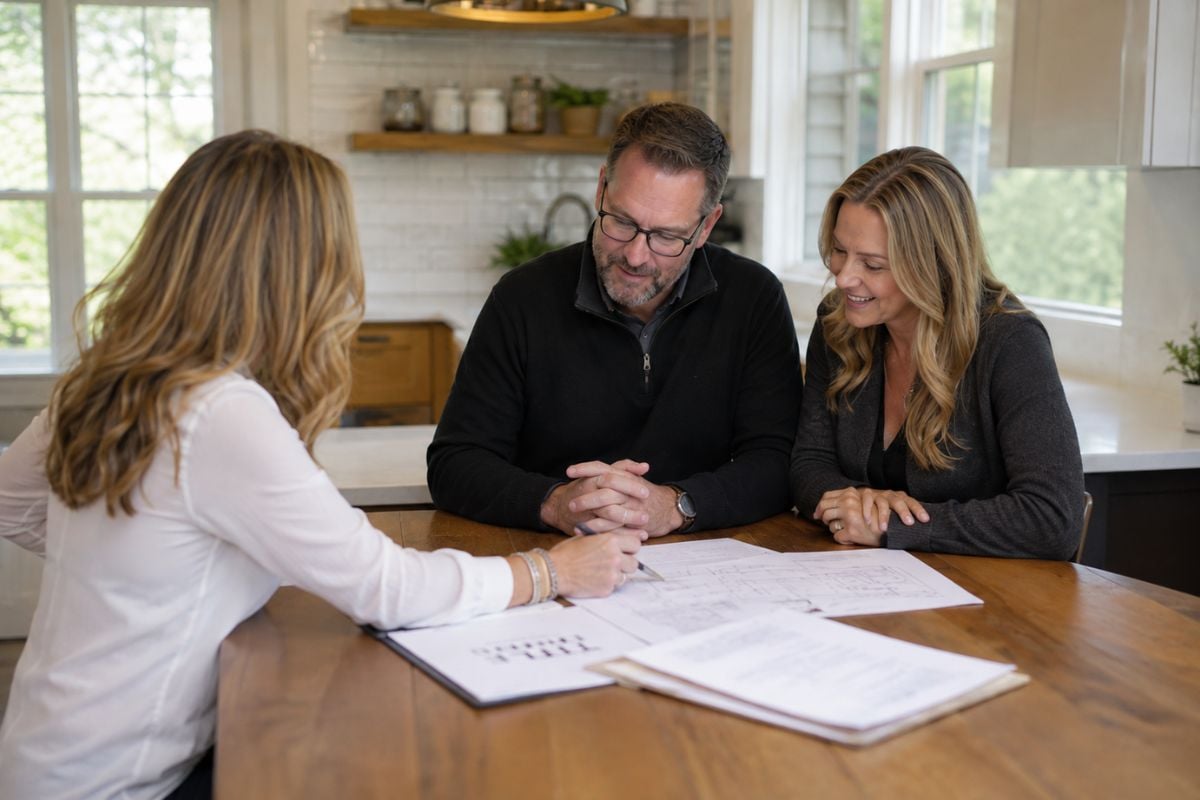
Once there's a general direction, the next step is a more detailed conversation, in person or by phone, depending on what works for you. For sellers, this usually means a walk-through of the home to talk about condition, updates, and pricing strategy based on what's currently active and recently sold nearby. For buyers, it means narrowing down must-haves versus nice-to-haves and getting a realistic sense of what's available in your price range across Northern Kentucky and East Cincinnati.
This is also when paperwork starts, but not the intimidating kind. Sellers typically sign a listing agreement once they're ready to move forward. Buyers sign a buyer representation agreement, which spells out how the relationship works and what to expect in terms of communication and support.
If you're selling
Getting a home ready to list involves a few concrete steps:
A walk-through to flag any repairs or updates worth making before photos are taken
Professional photography and custom video, a listing description built for both buyers and how they search online
A pricing recommendation based on recent comparable sales in your area, not a number pulled out of thin air
A marketing plan for where and how the listing gets seen, including the local MLS and syndication to major home search sites
From there, showings get scheduled, feedback gets collected, and adjustments happen if needed. When an offer comes in, the next step is reviewing it together: price, contingencies, closing timeline, and any requests the buyer has made.
If you're buying
On the buying side, the process usually looks like this: get pre-approved with a lender before serious searching starts, set up a search that actually matches your criteria instead of a generic feed, and start touring homes that fit. The National Association of REALTORS® covers these same core steps for buyers nationwide, though the pace and competitiveness shift depending on local inventory. Once you find the right one, the next steps are writing a competitive offer, negotiating terms, and getting to a signed contract.
From there, a home inspection gets scheduled, and depending on what it turns up, there may be a round of repair requests or price negotiation. The lender orders an appraisal to confirm the home's value supports the loan amount. Any issues that come up during this stretch get worked through before moving toward closing.
Under contract: the paperwork stretch
This is the part of the process that generates the most questions, mostly because there's a lot happening that isn't visible from the outside. Between signing a contract and closing day, a title company is researching the property's ownership history, the lender is finalizing loan approval, and the inspection and appraisal results are being reviewed and, if needed, negotiated.
Freddie Mac notes that the closing period typically runs 30 to 45 days from accepted offer to final signature, though it can vary depending on loan type, inspection results, and how quickly documents move between parties. Buyers also have a legal right to review their Closing Disclosure at least three business days before signing. Amy Houston Team keeps you updated at each milestone, so you're never wondering what's happening or what you're waiting on.
Closing day
By the time closing day arrives, most of the heavy lifting is done. What's left is a final walk-through (for buyers, to confirm the home is in the agreed-upon condition), a review of the closing disclosure and other paperwork, and signatures at the title company or attorney's office.
For sellers, closing day usually means signing a smaller stack of documents and handing over keys once the sale is recorded. For buyers, it means signing loan documents, wiring or bringing the required funds, and getting the keys to your next home. Either way, you'll walk in with a full understanding of what you're signing, not a stack of surprises.
Why the process matters as much as the outcome
A lot of real estate marketing focuses only on the result: sold sign, keys in hand, moving day. But the experience of getting there, whether you feel informed and supported or confused and rushed, shapes how you remember the whole transaction. Amy Houston Team's approach is built around keeping you in the loop at every stage, so you're making decisions with full information instead of catching up after the fact.
Frequently asked questions
How long does the whole process take, from first call to closing? It varies. Sellers often spend a few weeks, and sometimes a few months, preparing before listing, and buyers may search anywhere from a few weeks to several months before finding the right home. Once a contract is signed, closing typically follows in 30 to 45 days.
Do I have to commit to anything on the first call? No. The first conversation is meant to answer your questions and figure out next steps together. Signing a listing agreement or buyer representation agreement happens later, once you're ready to move forward.
What if I'm not sure whether I should sell first or buy first? This comes up often, especially for people moving locally within Northern Kentucky or East Cincinnati. It's worth talking through your specific financial picture and timeline before deciding, since the right order depends on your situation, your current mortgage, and how competitive the local market is at the time.
Ready to talk through your next move?
If you're weighing a move in Northern Kentucky or East Cincinnati and want to know what the process would actually look like for your situation, reach out to schedule a no-pressure consultation. There's no obligation, and no pressure to decide anything on the first call.
Amy Houston REALTOR | Amy Houston Team Serving Northern Kentucky and East Cincinnati
