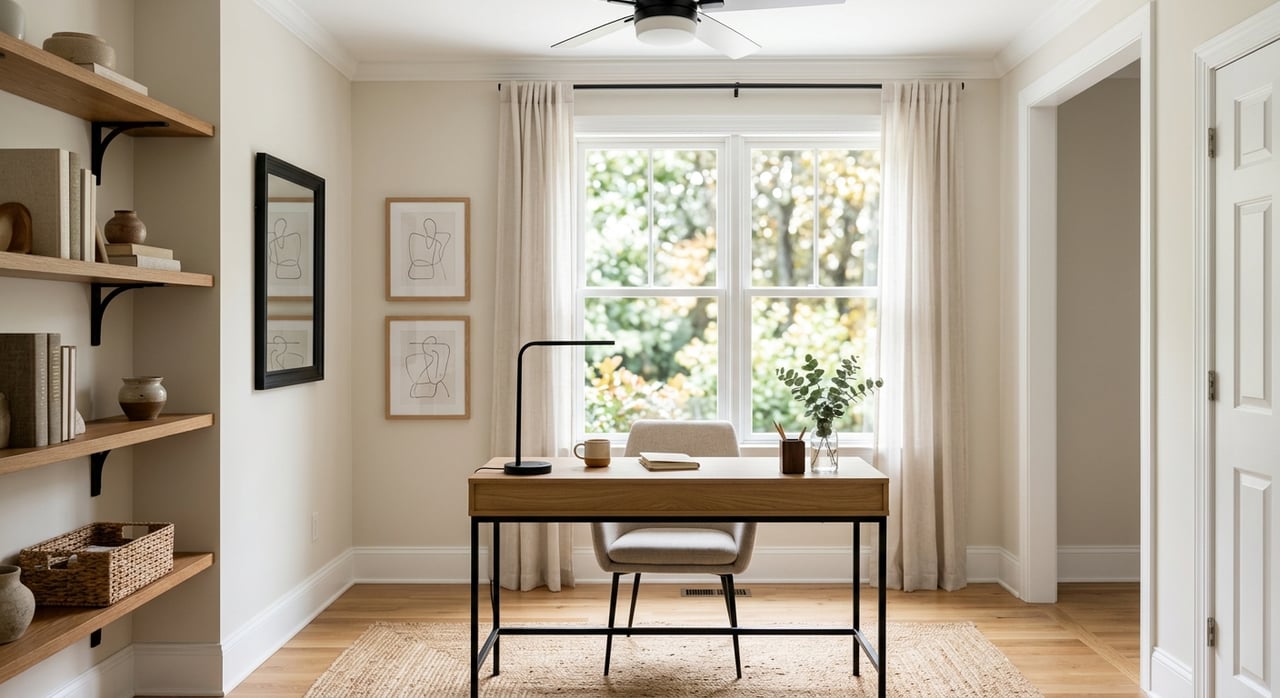
Are you dreaming about a brand-new home in Union, Kentucky, but wondering how to make smart choices before you sign with a builder? You are not alone. New construction can feel exciting and overwhelming at the same time, especially in a fast-growing area where communities, timelines, and options can vary quite a bit. This guide will help you think through the big decisions, understand what can affect timing, and plan your move with more confidence. Let’s dive in.
Why Union draws new-construction buyers
Union continues to grow, and that growth is shaping the local housing landscape. The city reports that its population increased from 233 in 1970 to 7,416 in 2020, and current planning efforts show that managing growth remains an active priority.
That matters if you are considering a new build. As Union changes, buyers are weighing things like lot size, amenities, commute access, maintenance level, and long-term resale potential. Boone County also adopted a comprehensive plan in February 2026 to guide future growth, development, and resource management, which reinforces that Union is still evolving.
You can also see that growth in the local pipeline. Active subdivision materials for the Union area include projects such as Traemore, Union Promenade, Westbrook Estates, and Woodvale, with Union Promenade described as a mixed-use project that includes single-family and multifamily housing.
What new-construction options look like
One of the biggest benefits of planning a new construction home in Union is variety. Local community pages show a mix of home styles, community layouts, and maintenance levels, which gives you more than one path to a new home.
Some buyers want a low-maintenance lifestyle. Aberdeen Patio Homes, for example, highlights lawn care and snow removal, along with amenities like walking paths, a pool, a pavilion, and a fire pit.
Other buyers want a more traditional single-family new-build experience with access to major roads. Traemore Overlook is located on Frogtown Road near US 42, and the builder notes access to I-75 and a drive time of about 25 minutes to downtown Cincinnati.
You may also find communities that lean into design choices or amenities. Hawk's Landing Preserve emphasizes coordinated exterior and interior design packages, while Justify at Triple Crown is presented as a master-planned country club community with amenities such as a pool, tennis courts, basketball court, playground, and walking or bike trails.
Quick move-in or build from scratch
In Union, you may be able to choose between a quick move-in home and a more customized floor-plan build. That choice can shape your budget, your timeline, and how many design decisions you need to make.
A quick move-in home can be appealing if you need a faster closing or want to avoid months of selections and construction updates. In many cases, part of the finish package may already be chosen, which can simplify the process.
A floor-plan build often gives you more say in layout details and finishes. If you enjoy selecting colors, materials, and upgrades, this route may feel more personal, but it usually requires more patience and a clear plan.
How permits can affect timing
One of the most important things to understand is that local approvals can affect your construction schedule. In Boone County, a zoning permit is required before a building permit can be issued.
The zoning administrator has seven days to approve or deny a zoning permit, and that permit must stay posted on the job site until the work is complete. If the project involves a curb cut, a separate encroachment permit is required. Lots in a floodplain or near a blue-line stream may also need stream-construction or floodplain approval.
For you, the practical takeaway is simple. New-construction timelines are not one-size-fits-all. Timing can depend on whether you choose a quick move-in home or a to-be-built home, along with how quickly permits, approvals, and site work move forward.
Choose upgrades with resale in mind
It is easy to fall in love with every finish in a model home. The challenge is deciding which upgrades truly improve how you live and which ones may not add the same value later.
A smart approach starts with your daily life. Fannie Mae guidance encourages buyers to think about the features they need and want, including bedrooms, bathrooms, yard size, maintenance, energy efficiency, homeowners association costs, and location-related factors.
That is especially useful in Union, where one community may offer a smaller lot with more amenities, while another may offer more yard space or a different maintenance setup. Comparing those trade-offs can help you spend your money where it matters most to you.
From a long-term standpoint, practical features often deserve close attention. Fannie Mae notes that HVAC systems, insulation, windows, and doors can have a major impact on utility bills, so those items can be worth weighing carefully alongside cosmetic upgrades.
Why design guidance matters
This is where having a design-aware agent can make a real difference. Some Union builders now present finish selection as a curated design experience, which can be helpful, but it can also make it easier to overspend on upgrades that feel trendy in the moment.
A calm outside perspective can help you sort upgrades into three buckets:
- Must-haves for your lifestyle
- Features that support long-term resale appeal
- Highly personal choices that may not be worth stretching your budget for
Amy Houston brings a strong visual background, staging certification, and advanced color expertise to that conversation. If you want help choosing finishes that feel polished without becoming overly specific for the surrounding market, that kind of guidance can be especially valuable.
Do not skip the home inspection
Many buyers assume a new home does not need an inspection. That is a risky assumption.
HUD advises buyers to get a home inspection even on a new build. It also notes that an appraisal does not replace a home inspection and that FHA does not perform inspections.
If you request an inspection early, you may have the chance to make your purchase contract contingent on the results. NAR also notes that buyers may choose to inspect a new home between signing and closing to confirm the home is in good condition and safe for the new owner.
You may also want to ask about radon or other health and safety testing. HUD notes that the EPA and the Surgeon General recommend radon testing for all houses, including new construction.
Understand the builder warranty
A builder warranty can be helpful, but it is not the same thing as full protection from every issue. That is why it is important to read the coverage details carefully before closing.
The FTC notes that many new-home warranties do not cover everything. Exclusions may include household appliances, small cosmetic cracks, or items already covered by a manufacturer warranty.
The FTC also notes that these warranties usually do not cover out-of-pocket expenses tied to a defect or repair, such as temporary housing. In other words, a warranty matters, but it should not replace careful due diligence before you close.
Plan around your current home
If you are building while also selling your current home, timing becomes even more important. Move-up buyers often need to balance the sale of one property with the purchase of the next, and new construction adds another layer of uncertainty.
This is one reason your path matters so much. A quick move-in home may line up more easily with your sale timeline, while a to-be-built home may require more flexibility if permits, site work, or construction phases shift.
A strong plan can help you think through:
- Your ideal move window
- Whether you need a faster-closing option
- How much timing flexibility you realistically have
- Which finish decisions are worth your budget
- How your current home sale affects your next step
Amy Houston works with buyers and sellers across Northern Kentucky, including clients coordinating a sale and purchase at the same time. That kind of hands-on guidance can make the process feel much more manageable.
Key questions to ask early
Before you move forward with a builder or community in Union, it helps to ask clear questions up front. That can save you time, stress, and expensive surprises later.
Consider asking about:
- Whether the home is quick move-in or to-be-built
- Which design selections are included and which cost extra
- What amenities or maintenance services are part of the community
- Whether the lot may require added approvals for floodplain, stream, or access issues
- When inspections can take place
- What the builder warranty covers and excludes
Clear answers can help you compare communities more confidently and avoid making a rushed decision based on model-home excitement alone.
If you are exploring new construction in Union and want a steady, design-savvy guide, Amy Houston can help you think through communities, timing, upgrades, and the sale-and-buy process with a local perspective.
FAQs
What new-construction communities are active in Union, Kentucky?
- Active Union-area projects listed in local planning materials include Traemore, Union Promenade, Westbrook Estates, and Woodvale. Current builder community pages also show options such as Aberdeen Patio Homes, Traemore Overlook, Hawk's Landing Preserve, and Justify at Triple Crown.
Do you need a home inspection for a new construction home in Union?
- Yes, it is wise to get one. HUD advises buyers to get a home inspection even on a new build, and an appraisal does not replace that inspection.
How do Boone County permits affect a new-construction timeline in Union?
- Boone County requires a zoning permit before a building permit can be issued, and some lots may also need encroachment, floodplain, or stream-related approvals. Those steps can affect how quickly construction moves.
What upgrades matter most when buying new construction in Union?
- Features tied to daily function and long-term costs often deserve close attention, such as layout, storage, HVAC, insulation, windows, doors, and maintenance level. Cosmetic upgrades can still matter, but they should fit your budget and resale goals.
How should you plan if you need to sell a home before buying new construction in Union?
- Start by comparing your timing needs with the type of new build you want. A quick move-in home may offer more schedule certainty, while a to-be-built home may require more flexibility as permits, site work, and construction progress unfold.
